The Pony Express: The End of the Line

The Pony Express lives in American memory as a story of speed, danger, and hard riding across open country. A young rider changes horses in the dark. A leather mochila is thrown over a fresh saddle. The horse is gone again before the dust has settled.
That image is true enough, but it is also incomplete.
The Pony Express was not the beginning of a new age. It was the last brilliant flare of an old one. For eighteen months, it carried letters faster than any overland service before it. Then the telegraph wire reached across the continent, and the horse was finished as the fastest messenger in America.
The end came quickly.
On October 24, 1861, the first transcontinental telegraph system was completed by Western Union, allowing messages to move rapidly from coast to coast. Two days later, on October 26, the Pony Express officially closed. ([The Library of Congress][1])
A Service Built for Urgency
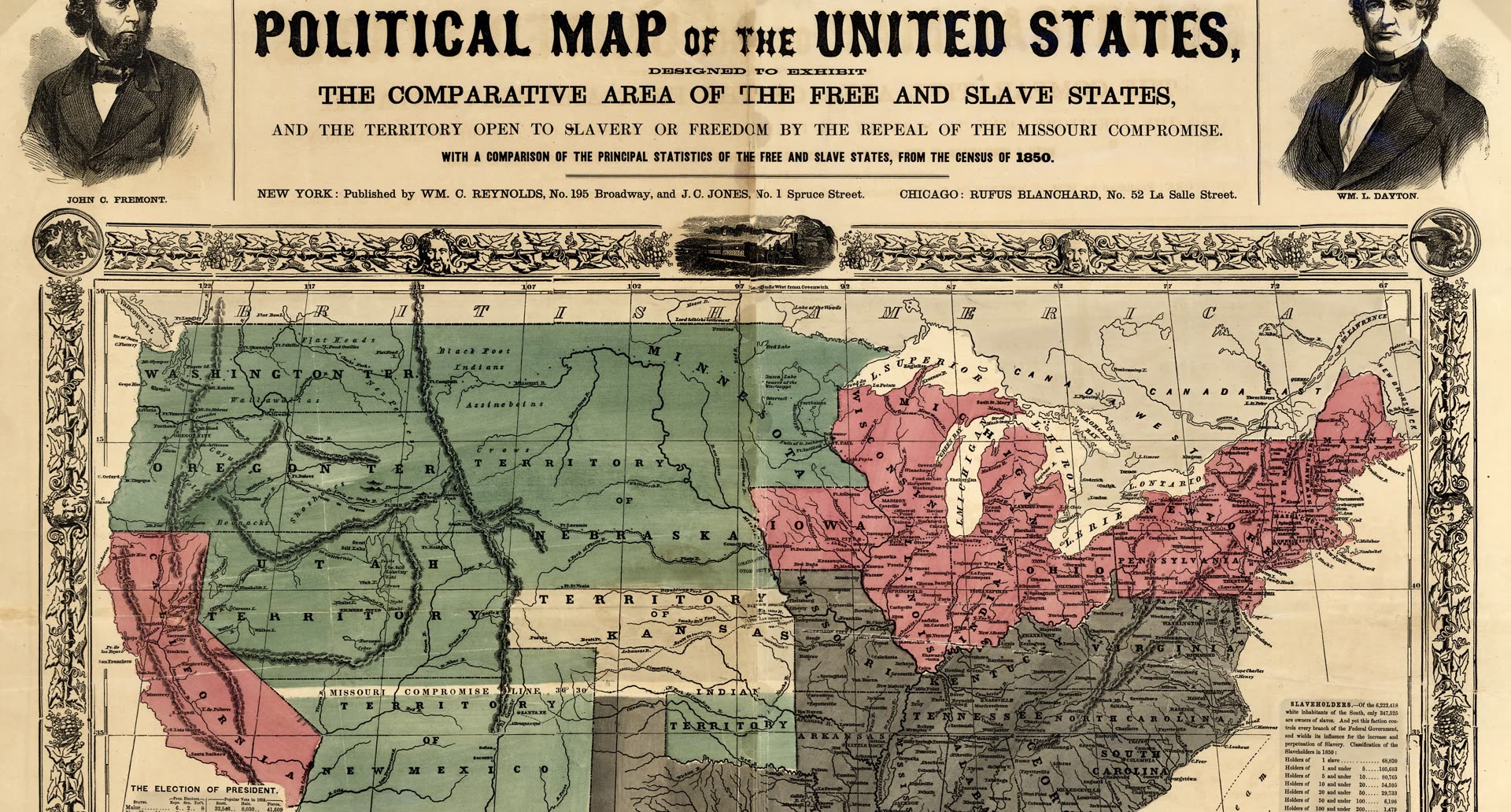
The Pony Express began in April 1860, operated by the Central Overland California & Pike’s Peak Express Company. Its route stretched nearly 2,000 miles from St. Joseph, Missouri, to California, crossing what are now Kansas, Nebraska, Colorado, Wyoming, Utah, Nevada, and California. ([The Library of Congress][1])
It was a hard route. Some of it crossed country that many people considered nearly impassable in winter. Riders moved in relays, changing horses every 10 to 15 miles and riding 75 to 100 miles in a shift. The goal was simple: keep the mail moving. ([The Library of Congress][1])
In summer, a letter could make the trip in about ten days. In winter, it often took twelve to sixteen. That was still far faster than stagecoach service. The Pony Express carried President Lincoln’s first inaugural address in seven days and seventeen hours, its fastest recorded delivery. ([The Library of Congress][1])
For a country divided by distance and soon by war, that speed mattered.
The Horse Against the Wire
Even as the Pony Express was getting started, its replacement was already being planned.
On June 16, 1860, roughly ten weeks after the first Pony Express ride, Congress authorized support for building a transcontinental telegraph line between the Missouri River and the Pacific Coast. While workers pushed the telegraph forward from both ends, the Pony Express kept running between the gaps. Letters and newspapers still traveled the full route, while telegrams moved only as far as the wire had reached. ([National Park Service][2])
That detail matters. The Pony Express and the telegraph were not separate stories. For a short time, they depended on each other. The horse carried messages where the wire had not yet arrived.
But the wire did arrive.
When San Francisco came into direct contact with New York City on October 26, 1861, the Pony Express had no real future. The National Park Service notes that the service was officially terminated that day, though some of the final letters did not complete their journeys until November. ([National Park Service][2])
That is the quiet truth behind the legend. The last communication of the age did not end with a heroic trumpet note. It ended with a business decision.
What Was Lost
It is easy to make the Pony Express too romantic. The work was dangerous, badly exposed, and physically punishing. The route crossed Indigenous homelands during a period of expansion, conflict, and displacement. The story was never only about brave riders and fast horses.
Still, something real was lost when the service ended.
The Pony Express belonged to a world where communication still had a body. A message moved because a person carried it. It passed from hand to hand, horse to horse, station to station. Weather mattered. Distance mattered. A river, a snowstorm, an injury, or a missing horse could slow the entire nation’s knowledge of itself.
The telegraph changed that. A message no longer had to cross the land in the old way. It could pass through a wire in minutes.
That was progress, and most people knew it. But progress often arrives with a small burial folded inside it. The telegraph buried the rider as the fastest carrier of news.
The Last Communication of the Age
The phrase “the end of the line” fits the Pony Express better than most slogans do.
It was the end of a route, but also the end of a method. For centuries, important messages had moved at the pace of animals, ships, roads, and human endurance. Empires, armies, merchants, and families all waited on bodies in motion.
The Pony Express represented the highest form of that older system. It stripped communication down to speed and stamina: light mail, young riders, fast horses, frequent stations, no wasted time.
Then electricity made the whole system obsolete.
That is why the Pony Express still holds our attention. It was not successful because it lasted. It was successful because, for one brief moment, it did exactly what it was built to do. It closed the distance between East and West just before the distance itself began to mean something different.
Why It Still Matters
The Pony Express lasted only about eighteen months, but it remains one of the clearest symbols of the American West. Part of that is myth. Part of it is advertising. Part of it is the simple power of the image: a horse running hard with the mail.
But beneath the legend is a sharper story.
The Pony Express shows how quickly technology can turn the necessary into the obsolete. In 1860, a rider carrying mail across the continent was a marvel of speed. By late 1861, he was already behind the times.
That does not make the rider meaningless. It makes him more interesting.
He was the last messenger of the old distance. The last answer before the wire. The last sound of hooves before the click of the key.
[1]: https://www.loc.gov/item/today-in-history/october-24/ "Today in History - October 24 | Library of Congress" [2]: https://www.nps.gov/poex/learn/historyculture/index.htm "History & Culture - Pony Express National Historic Trail (U.S. National Park Service)"