John Armstrong and the Underground Railroad in Kansas

John Armstrong was the closest free-stater living north of Albert Stokes on the northwest quarter of Section 28, located on Washington Creek.
John was born at Oxford, Canada West, on June 8, 1824, the son of Thomas and Sarah Dodge Armstrong. He was an avid abolitionist and aligned with the anti-slavery movement before arriving in Kansas. He voted for Martin Van Buren when Van Buren was the anti-slavery candidate for President.
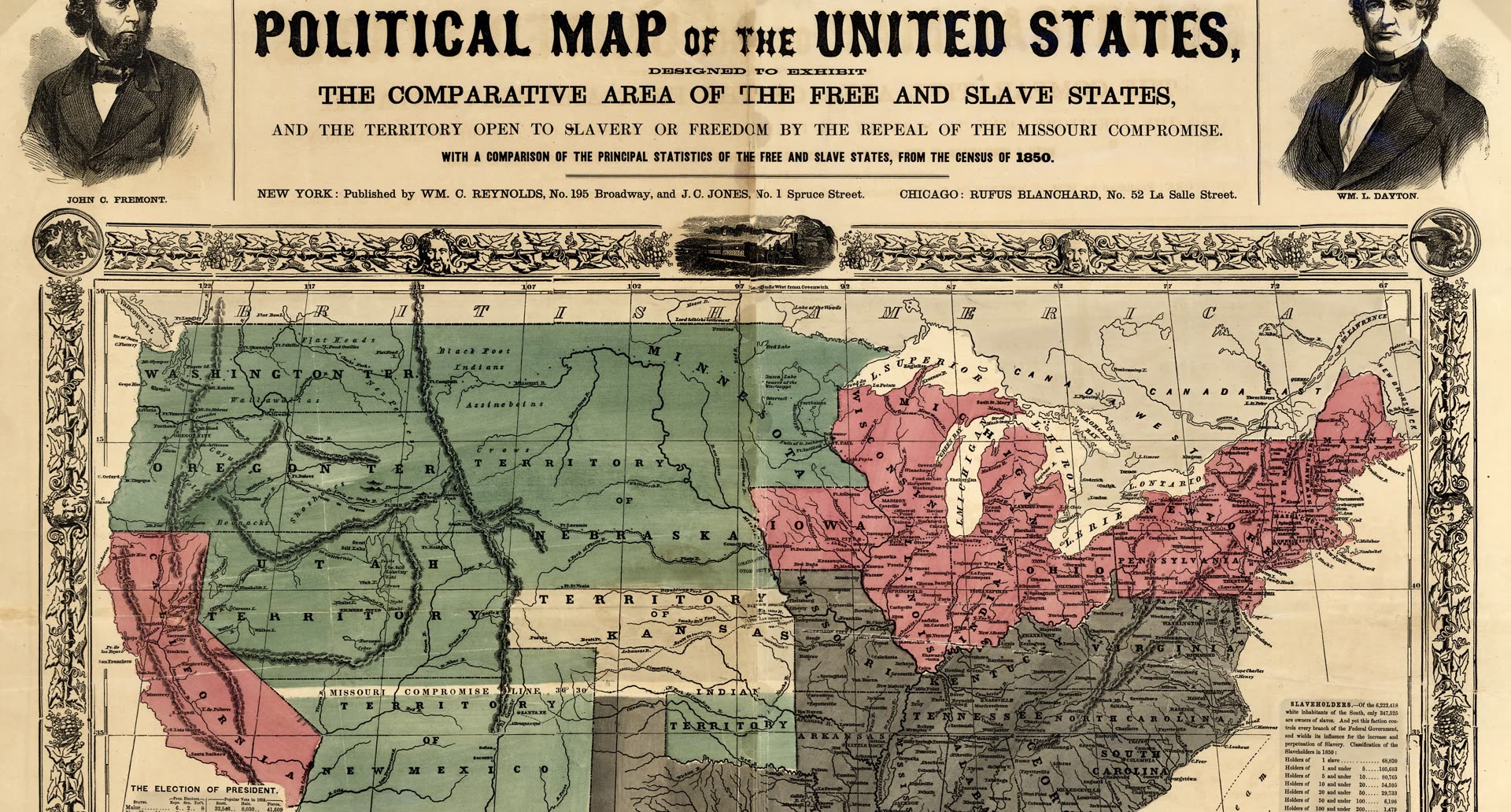
He clearly remembered the public reaction in New York State and New England when the Kansas-Nebraska Bill passed and resolved to come to Kansas to help make it a free state.
Leaving western New York on November 1, 1854, he arrived in Kansas City around November 17 or 18.
At that time:
- Kansas City consisted of one hotel
- one barn
- six warehouses
- a horse mill where the market square would later stand
From there, Armstrong traveled to Westport and then west into Kansas.
At Kansas City, he met the notorious Sam Wood, and after confirming Wood’s anti-slavery views, arranged for him to transport his baggage.
Armstrong arrived in Lawrence on the night of November 20 with a party of five.
Washington Creek and Early Anti-Slavery Activity
Armstrong established his claim on Washington Creek and quickly became involved in Underground Railroad efforts.
A neighboring proslavery family named Bowen had brought enslaved people with them from Kentucky:
- a father
- a mother
- eight children
The eldest was a young man about twenty years old.
According to Armstrong’s recollections, his sister Sarah secretly taught the children to read. They came to the Armstrong house on Sundays without their enslaver’s knowledge.
Armstrong noted that Bowen feared the free-state settlers’ Sharps rifles, believing they could shoot a mile.
Bowen’s enslaved workers:
- built his log house
- performed general farm labor
- lived in a separate small cabin
Armstrong reported frequent threats from drunken proslavery neighbors.
Eventually, he informed free-state allies in Lawrence. Captain Randlet and a group of armed free-state men came to his property, confronted Bowen, destroyed his whiskey, and gave him three days to leave.
That night, Bowen’s enslaved children fled to Armstrong’s home in fear.
“Master Armstrong! Some men have come to Master Bowen’s, and I am afraid they are going to kill us.”
Armstrong had previously discussed escape with them, but according to a Lawrence Journal World account, the risk of helping the entire family escape to Canada was considered too great.
The Bowens eventually took the enslaved family with them to Westport, Missouri.
Jim Lane
Armstrong later claimed he played a role in persuading Jim Lane to come to Kansas.
At an 1879 Old Settlers’ Meeting, he recalled:
Lane was on his way to Kansas, and when he found out that I had been in the Territory, he wanted to learn all about the country... I gave them a glowing description of Lawrence and told them I believed it would someday become a great city.
In an 1896 interview, Armstrong elaborated further:
- He believed Lane originally intended to organize a Democratic political movement in Kansas
- Lane wanted to settle in the largest settlement
- Armstrong recommended Lawrence
- Lane arrived there days later
Lane ultimately became one of the leading free-state figures in Kansas.
The Underground Railroad
Armstrong later organized an Underground Railroad route from Topeka to Civil Bend, Iowa.
He raised subscription funds from anti-slavery supporters, including:
- Dr. Charles Robinson ($10)
- Sam Wood ($5)
- Major J. B. Abbott ($5)
He established depots along the route.
Ann Clarke
Armstrong’s first recorded “passenger” was an enslaved woman named Ann Clarke.
She had escaped, been captured, and returned to Lecompton for a reward.
That evening, while her captors celebrated and drank, she escaped again.
She hid in a ravine overnight.
At dawn, she encountered Dr. Barker and convinced him to help her.
Through a chain of free-state supporters, she was transported to Topeka and hidden at the residence of Mrs. Scales at 429 Quincy Street.
Armstrong described hiding her inside a giant sugar hogshead placed in the cellar.
During the day, when boarders were away, she emerged to help with housework.
The Stone House
Historical accounts disagree over who built the famous stone house at 429 Quincy Street:
- some sources credit Mrs. Scales
- others credit Armstrong
What is not disputed is its use as an Underground Railroad station.
Armstrong reportedly said:
“I suppose I have kept three hundred slaves in the house at 429 Quincy St., all told.”
Newspaper accounts described:
- a basement hiding area
- concealed access routes
- repeated successful concealment of fugitives
Pursuers often searched elsewhere while enslaved escapees hid only yards away.
Route North
Armstrong transported escapees north by wagon.
Precautions included:
- night travel only
- hiding during daylight
- a wagon with a false bottom
- hay and straw concealment
Typical route:
1. Topeka 2. Rochester 3. Holton 4. Nebraska City 5. Civil Bend, Iowa 6. transfer to Quaker allies 7. onward to Canada
Armstrong described crossing dangerous winter ice on the Missouri River during one escape operation.
John Brown and the Battle of the Spurs
The Underground Railroad route remained active throughout the territorial struggle.
John Brown himself used the Lane Trail during his anti-slavery operations.
Armstrong later helped respond to the Battle of the Spurs in January 1859, when Brown was reportedly trapped near Straight Creek.
A rescue force was quickly assembled.
Despite the dramatic name, no shots were fired.
Final Years
Armstrong lived a long life.
By 1910, he was living at Keith’s Hospital.
He died on December 19, 1911.
His obituary remembered him as:
- an anti-slavery fighter
- one of Topeka’s earliest pioneers
- a key Underground Railroad organizer
He never married.
Accounts suggest he remained devoted to Eunice Scales, who died of smallpox before their planned wedding.
Some later writers speculated that this personal tragedy intensified his anti-slavery commitment.
Legacy
Whatever ultimately drove him—political conviction, heartbreak, or both—John Armstrong left a lasting mark on Kansas history.
His efforts helped:
- build the free-state movement
- aid enslaved people seeking freedom
- shape the moral struggle that defined territorial Kansas